We use cookies to make your experience better. To comply with the new e-Privacy directive, we need to ask for your consent to set the cookies. Learn more.

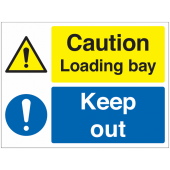
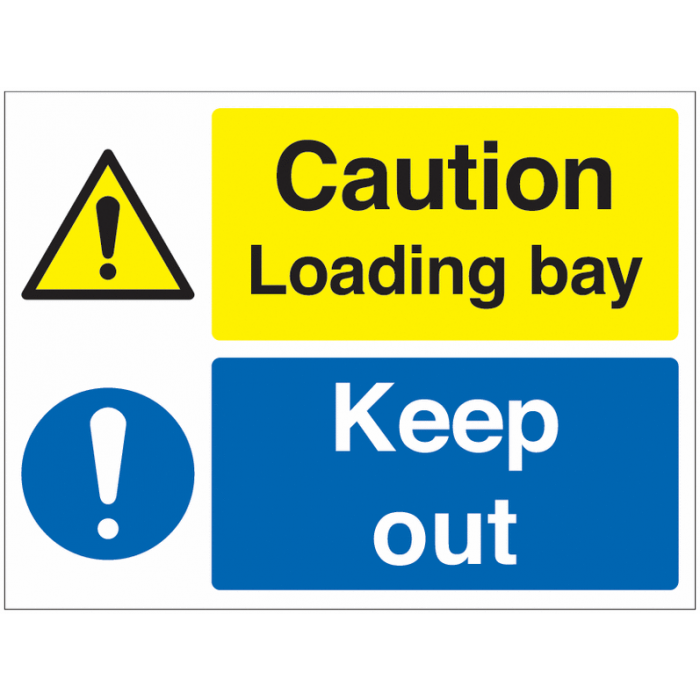
Caution Loading Bay Keep Out Signs
£24.99
In stock
SKU
TRF3037BEDRP*
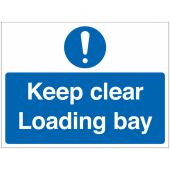
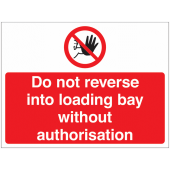
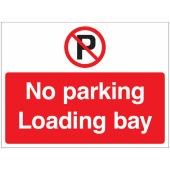
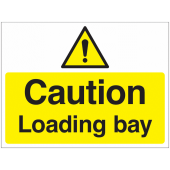
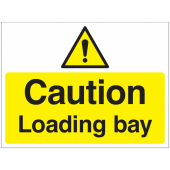
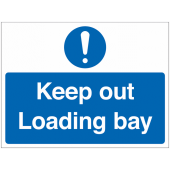
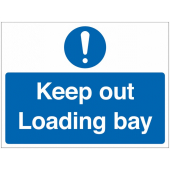
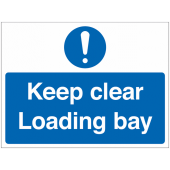
Caution Loading Bay Keep Out Signs are used for being displayed around loading bays to warn people to be caution of the loading bays and instructing people to keep out for their own safety and the sign conveys the messages of "Caution loading bay" and "Keep out" which means it is mandatory that everyone must keep out of the loading bay area.
Caution Loading Bay Keep Out Signs
Caution Loading Bay Keep Out Signs are used to warn individuals to stay out of loading bay areas for safety reasons. These signs feature a caution symbol and the text "Loading Bay Keep Out" to clearly communicate the restricted access. By installing Caution Loading Bay Keep Out Signs, you can prevent unauthorised individuals from entering loading bay areas, reducing the risk of accidents and promoting a safer work environment. These signs are made from durable materials ensuring their longevity and visibility in various weather conditions. They are suitable for both indoor and outdoor use.
A Caution Loading Bay Keep Out Sign is a hazard warning and mandatory message type of dual message sign used for being displayed around loading bays to warn people to be caution of the loading bays and instructing people to keep out for their own safety and the sign conveys the messages of "Caution loading bay" and "Keep out" which means it is mandatory that everyone must keep out of the loading bay area.
Caution Loading Bay Keep Out Signs Specifications
- View the complete range of keep out signs
- View the full range of loading bay safety signs
- You may also be interested in the Keep Out Post Mountable Signs
- A similar choice are the Warning Loading Bay Keep Out Signs
- Ensures compliance under the latest signs & signals regulations
- Display area Indoor and Outdoor
- Colour(s) Yellow
- Colour - Background Blue
- Features - Waterproof Yes
- Fixing Various – Available Separately
- Material Rigid Polypropylene
- Photoluminescence Non Photoluminescent
- Recycled Material Yes
- Shape Rectangle
- Supplied in Single
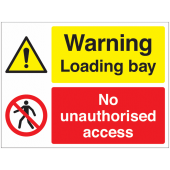
- You may also be interested in the Warning Loading Bay No Unauthorised Access Signs
- A similar choice are the Warning Loading Bay Keep Out Signs
- View more choices of signs for loading bays