We use cookies to make your experience better. To comply with the new e-Privacy directive, we need to ask for your consent to set the cookies. Learn more.

Caution Reversing Vehicles Signs
£7.25
In stock
SKU
HZ059A5*
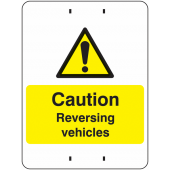
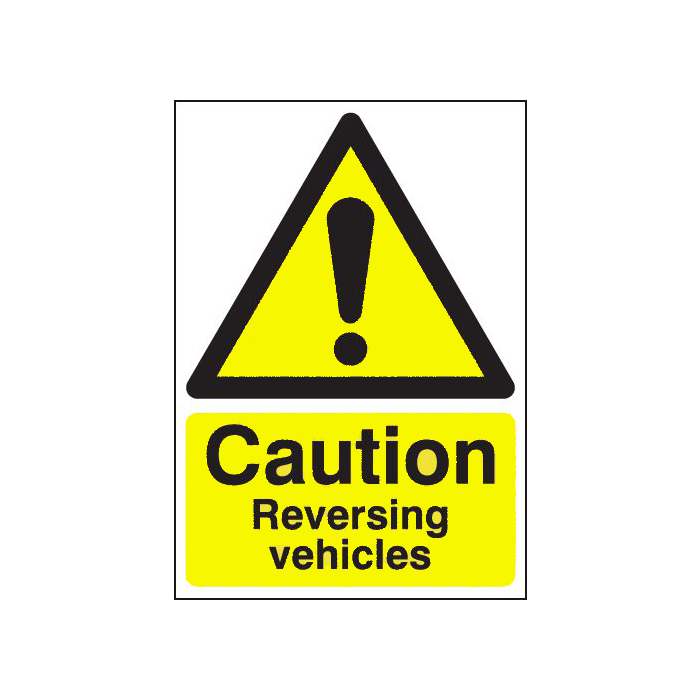
Caution reversing vehicles signs are used for being displayed around areas where others must be warned of the dangers from vehicles which are reversing and conveys the message "Caution reversing vehicles" that means to warn of any vehicles which are reversing around the area.
Caution Reversing Vehicles Signs
Caution Reversing Vehicles Signs serve as critical visual warnings to alert individuals about the potential hazards associated with the movement of vehicles in reverse. These signs are designed to increase safety and prevent accidents in areas where vehicle manoeuvring is common such as car parks, construction sites, warehouses and loading docks. By prominently displaying these signs you can effectively communicate the need for caution and minimise the risk of collisions or injuries.
The benefits of using Caution Reversing Vehicles Signs are that these signs enhance overall safety by providing a clear and visible reminder to pedestrians and other individuals to exercise caution and be aware of reversing vehicles. Reversing vehicles can have limited visibility and accidents can occur when pedestrians are not alert to their presence. By displaying these signs you create awareness and encourage people to stay vigilant reducing the likelihood of accidents and injuries.
Caution Reversing Vehicles Signs help improve traffic flow and organisation. In areas where vehicles frequently reverse such as loading docks or construction sites, clear signage is essential for directing and managing traffic. These signs guide drivers and pedestrians on the appropriate routes and provide a visual cue to yield or give way to reversing vehicles. This promotes smoother operations, minimises congestion and enhances overall efficiency in such areas.
These signs contribute to compliance with safety regulations and standards. There are specific requirements for the use of signage to ensure the safety of pedestrians and workers around reversing vehicles. By using Caution Reversing Vehicles Signs you demonstrate your commitment to meeting these regulations and creating a safe environment. Compliance not only helps prevent accidents but also protects your business from potential liability or legal consequences.
Caution Reversing Vehicles Signs help promote a safety-conscious culture in the workplace or public areas. By prominently displaying these signs you send a clear message that safety is a priority and that precautions should be taken to prevent accidents. This encourages individuals to adopt responsible behaviours and reinforces the importance of being alert and cautious around reversing vehicles. By fostering a safety-minded environment you create a positive culture that values the well-being of everyone present.
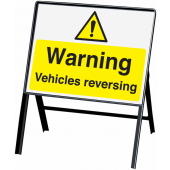
A Caution reversing vehicles sign is a hazard warning message type of sign which is normally used for being displayed around areas where others must be warned of the dangers from vehicles which are reversing and conveys the message "Caution reversing vehicles" that means to warn of any vehicles which are reversing around the area. To warn people of reversing vehicles around site entrances and loading bays the Warning Vehicles Reversing Stanchion Signs provide an ideal solution, simply display the sign on a stanchion to warn others about any reversing vehicles, buy Caution Reversing Vehicles Signs online with SafetyBox.
Caution Reversing Vehicles Signs Specifications
- Another type of reversing vehicle sign you may be interested in is the Warning Vehicles Reversing Stanchion Signs
- A similar choice of warning signs for reversing vehicles are the Caution Reversing Vehicles Post Mount Signs
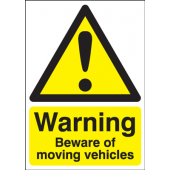
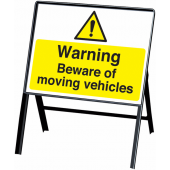
- View the full range of moving vehicles warning signs
- As you are looking to buy signage for moving vehicles you may also be interested in the Caution Electric Vehicles Are Operating In Area Signs
- A similar choice of signage for moving vehicles are the Beware Of Moving Vehicles Aluminium Signs
- See the range of signs to warn others of reversing vehicles
- Ensures compliance under the latest signs & signals regulations
- Display area Indoor and Outdoor
- Colour - Background Yellow
- Colour - Text Black
- Features - Write On No
- Finish High gloss
- Orientation Portrait
- Photoluminescence Non Photoluminescent
- Shape Rectangle
- Sign/Symbol General Hazard
- Sign Text/Symbol Symbol and Text
- Sign Type Hazard
- Supplied in Single
- Text Caution Reversing vehicles
- Orientation Portrait
- View more choices of reversing vehicles signs