We use cookies to make your experience better. To comply with the new e-Privacy directive, we need to ask for your consent to set the cookies. Learn more.

Do Not Use Out Of Order Signs
£7.25
In stock
SKU
HZ180A5*
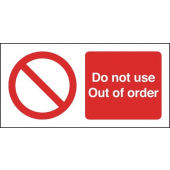
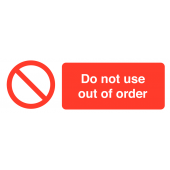
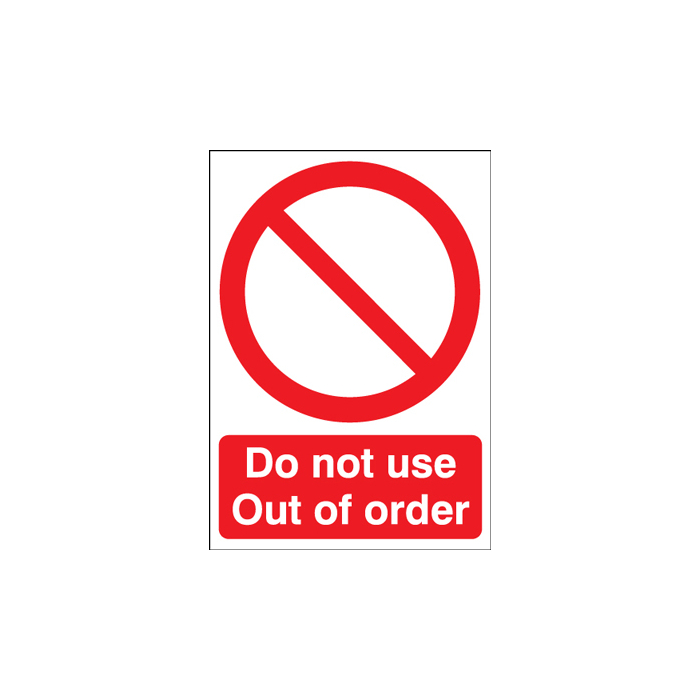
Do Not Use Out Of Order Signs are used for displaying in areas where there is a need to stop people from using equipment or machinery which is out of order and Do Not Use Out Of Order Signage conveys the message "Do Not Use Out Of Order" that clearly identifies the machinery or equipment is not allowed to be used.
Do Not Use Out Of Order Signs
Do Not Use Out Of Order Signs are essential for ensuring safety and preventing accidents in your facility. These signs are specifically designed to communicate when a particular equipment, machinery or facility is out of order and should not be used. By prominently displaying these signs you can effectively prevent individuals from using malfunctioning or unsafe equipment reducing the risk of accidents and injuries.
The primary benefit of Do Not Use Out Of Order Signs is their clear and concise message. These signs feature bold and easily recognisable symbols along with the text "Do Not Use Out Of Order," ensuring that the message is understood at a glance. This helps to eliminate any confusion or misunderstanding providing a strong visual reminder to individuals that the equipment or facility is not in a usable condition.
Do Not Use Out Of Order Signs are made from durable materials that are built to withstand various environments. Whether it's an electrical panel, a machine or a specific area, these signs are designed to be long-lasting and resistant to fading ensuring their visibility remains intact over time. With their sturdy construction you can rely on these signs to effectively communicate the status of equipment or facilities promoting safety and preventing accidents.
By prominently displaying Do Not Use Out Of Order Signs you create a safer work environment and reduce the risk of accidents or injuries. These signs serve as a visual reminder to individuals to exercise caution and avoid using equipment or facilities that are not in proper working order. This helps to protect employees, visitors and customers from potential hazards ensuring their well-being and maintaining a positive safety culture within your facility.
Investing in Do Not Use Out Of Order Signs demonstrates your commitment to safety and proactive risk management. These signs can be easily mounted or placed in strategic locations near the equipment or facility in question ensuring their visibility and effectiveness. By using these signs you convey a clear message that safety is a priority in your organisation and encourage responsible behaviour among individuals to avoid using malfunctioning or unsafe equipment.
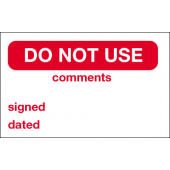
A Do Not Use Out Of Order Sign is a prohibition message type of sign used for displaying in areas where there is a need to stop people from using equipment or machinery which is out of order and Do Not Use Out Of Order Signage conveys the message "Do Not Use Out Of Order" that means the machinery or equipment is not allowed to be used. To mark up machinery or lifts that are out of order the Out Of Order do not use signage will prohibit others from operating out of order machinery and do not use out of order labels can be used to stop people from operating items around multiple locations.
Do Not Use Out Of Order Signs Specifications
- View the full range of machinery prohibition signs
- Ensures compliance under the latest signs & signals regulations
- Display area Indoor and Outdoor
- Colour - Background Red
- Colour - Text White
- Features - Write On No
- Finish High gloss
- Orientation Portrait
- Photoluminescence Non Photoluminescent
- Shape Rectangle
- Sign/Symbol General Prohibition
- Sign Text/Symbol Symbol and Text
- Sign Type Prohibition
- Supplied in Single
- Text Do not use Out of order
- As you are looking to buy signage for machinery you may also be interested in the Do Not Switch On Signs
- A similar choice of signage for machinery are the Do Not Oil Clean Or Use This Machine In Motion Signs