We use cookies to make your experience better. To comply with the new e-Privacy directive, we need to ask for your consent to set the cookies. Learn more.

First Aid Box Signs
£2.99
In stock
SKU
FA008AU*
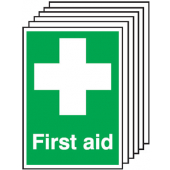
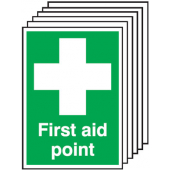
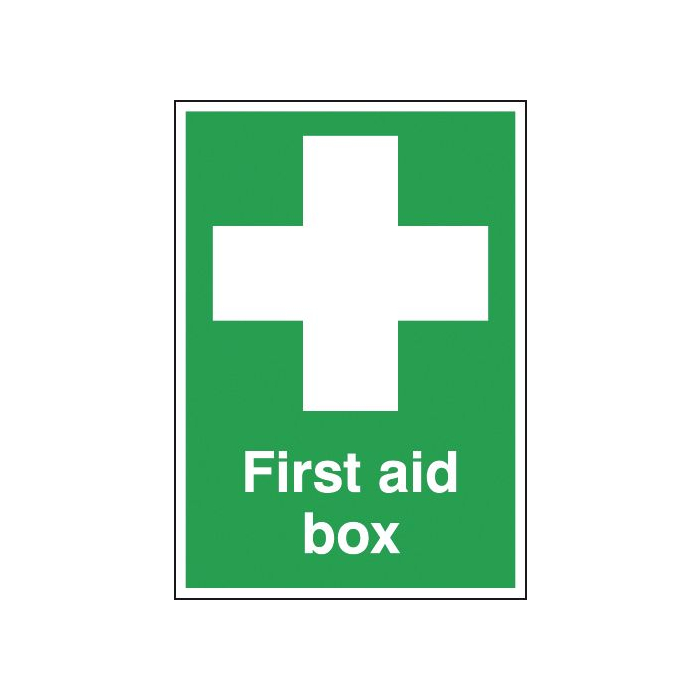
First Aid Box Signs are used for highlighting the locations of the first aid boxes, first aid box signs feature a pictogram symbol of a white first aid cross and conveys the message "First aid box" in bold white lettering on a vibrant green background which provides a clear First Aid Box location message.
First Aid Box Signs
First Aid Box Signs are an important part of any workplace or public space. They are designed to help people locate first aid equipment quickly and easily in case of an emergency. The sign is green with a white cross on it which is a universal symbol for first aid. In addition to being a legal requirement displaying a first aid box sign can also help to reassure employees, visitors and customers that their health and safety is a top priority.
The First Aid Box Sign is a clear and easy-to-understand sign that can be placed in a visible location to help people locate the first aid box. The sign is from a durable materials, such as self-adhesive vinyl or rigid plastic to ensure it lasts for a long time. The sign can be fixed to a wall or other surface using screws, adhesive or other fixing methods.
The First Aid Box Sign can come in a range of sizes, depending on the needs of the location. Smaller signs are suitable for areas where space is limited such as small offices or workshops while larger signs may be needed in larger workplaces or public spaces.
First Aid Box Signs are an essential requirement for any workplace or public space. They help to ensure that first aid equipment is easily accessible in case of an emergency and can also provide reassurance to employees, visitors and customers that their health and safety is a top priority. The sign is easy to understand and made from durable materials to ensure it lasts for a long time. If you are responsible for health and safety in your workplace or public space then displaying a First Aid Box Sign is a legal requirement that should not be overlooked.
First Aid Box Signs are used for highlighting to others the locations of the first aid boxes, first aid box signs feature a pictogram symbol of a white first aid cross and conveys the message "First aid box" to clearly highlight first aid boxes. First Aid Box Signs fall under the category of safe condition signs according to the The Health & Safety (Safety Signs and Signals) Regulations 1996, and details that first aid box signs must be green and white, first aid box signs are for mounting around areas where there is a need to help people located where the first aid box is sited and First Aid Box Signs conveys the message "First aid box" which means to show everyone the location of the first aid box. First aid box labels can also be used where there are a number of first aid boxes located around the premises. See our complete range of first aid box signs and labels , buy First Aid Box Signs online with SafetyBox.
First Aid Box Signs Specifications
- Ensures compliance under the latest signs & signals regulations
- Display area Indoor and Outdoor
- Colour - Background Green
- Colour - Text White
- Features - Write On No
- Finish High gloss
- Orientation Portrait
- Photoluminescence Non Photo-luminescent
- Shape Rectangle
- Sign/Symbol First Aid
- Sign Text/Symbol Symbol and Text
- Sign Type First Aid
- Supplied in Single
- Text First aid box
- View more choices of first aid signs