We use cookies to make your experience better. To comply with the new e-Privacy directive, we need to ask for your consent to set the cookies. Learn more.

No Pedestrians Signs
£7.25
In stock
SKU
PR043A5*
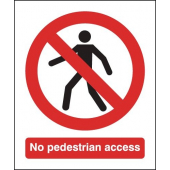
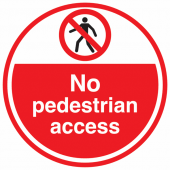
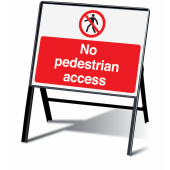
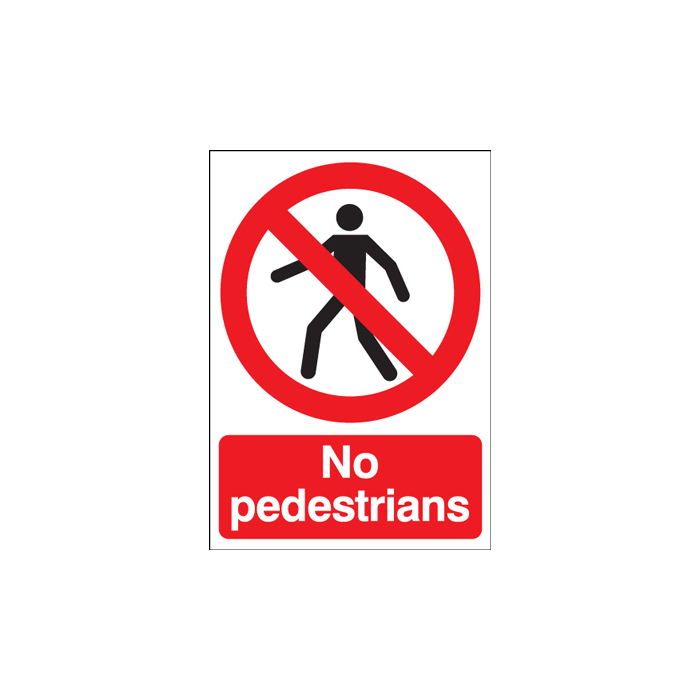
No Pedestrians Signs have been designed for being displayed around areas where there is a need to stop or prevent pedestrians from being allowed entry or walking on a specific route and the sign conveys the message "No Pedestrians" in bold white lettering on a vibrant red background to provide a clear, highly visible No Pedestrians prohibition message.
No Pedestrians Signs
No Pedestrians Signs are vital visual aids that help maintain safety and control in areas where pedestrian access is prohibited or restricted. These signs serve as clear and visible reminders to individuals that they should not enter or walk in specific areas such as construction sites, private properties or hazardous zones. By prominently displaying No Pedestrians Signs you effectively communicate the message, enhance safety awareness and prevent potential accidents or conflicts.
One of the primary benefits of using No Pedestrians Signs is the prevention of accidents and injuries. These signs help to redirect pedestrians away from areas that may pose hazards such as heavy machinery, construction materials or high-risk work zones. By clearly indicating the restricted access the signs serve as a visual deterrent, guiding pedestrians to safer routes and minimising the risk of collisions, falls or other accidents.
No Pedestrians Signs contribute to the smooth operation of work environments and ensure efficient workflow. In industrial or construction sites the presence of unauthorised pedestrians can disrupt ongoing activities, compromise productivity and create potential hazards. By displaying these signs you establish clear boundaries and guidelines, allowing workers and vehicles to operate without the added risk of interacting with pedestrians. This leads to a more organised and efficient work environment.
No Pedestrians Signs help property owners or managers maintain security and privacy. In private properties such as gated communities, manufacturing plants or restricted-access areas, it is crucial to control pedestrian access to protect assets, maintain confidentiality or comply with safety regulations. These signs serve as a deterrent, indicating that unauthorised entry is prohibited and assist in enforcing access control measures. By using these signs, property owners can ensure the integrity of their premises and safeguard against unauthorised access.
No Pedestrians Signs contribute to legal compliance and liability prevention. There are regulations and laws in place that require the proper signage to indicate restricted pedestrian access. By displaying these signs you demonstrate compliance with such regulations and mitigate potential liability in case of accidents or injuries involving pedestrians. The presence of clear signage helps establish a strong defence in legal matters and shows a commitment to safety and risk mitigation.
A No Pedestrians Sign is a prohibition message type of restriction sign that is designed for being displayed around areas where there is a need to stop or prevent pedestrians from being allowed entry or walking on a specific route and the sign conveys the message "No Pedestrians" which shows the meaning that pedestrians are not allowed as they are prohibited. Where there is a need to stop pedestrians from entering multiple locations around sites the the no pedestrians pack of 6 signs will be more suitable as they are supplied in packs of 6 and if there is no walls for mounting no pedestrian signage the No Pedestrians Post Mountable signs will be ideal as they can either be post or fence mounted around areas where no pedestrians are allowed.
No Pedestrians Allowed Signs Specifications
- View the full range of no entry prohibition signs
- View the full range of no pedestrian entry signs
- View the full signage range for safeguarding pedestrians around sites
- Ensures compliance under the latest signs & signals regulations
- Display area Indoor and Outdoor
- Colour(s) White
- Colour - Text White
- Features - Write On No
- Finish High gloss
- Orientation Portrait
- Photoluminescence Non Photoluminescent
- Shape Rectangle
- Sign/Symbol Pedestrians
- Sign Text/Symbol Symbol and Text
- Sign Type Prohibition
- Supplied in Single
- Text No pedestrians
- Orientation Portrait
- You may also be interested in the No entry Zakaz westępu Signs
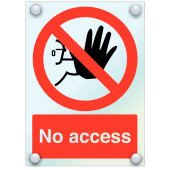
- A similar choice are the No Entry Symbol Signs
- View more choices of no pedestrian signs