We use cookies to make your experience better. To comply with the new e-Privacy directive, we need to ask for your consent to set the cookies. Learn more.

Push Bar To Open Signs
£7.25
In stock
SKU
FE056A5*
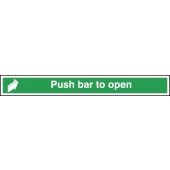
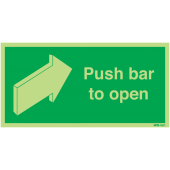
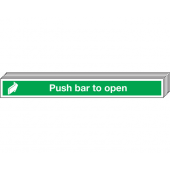
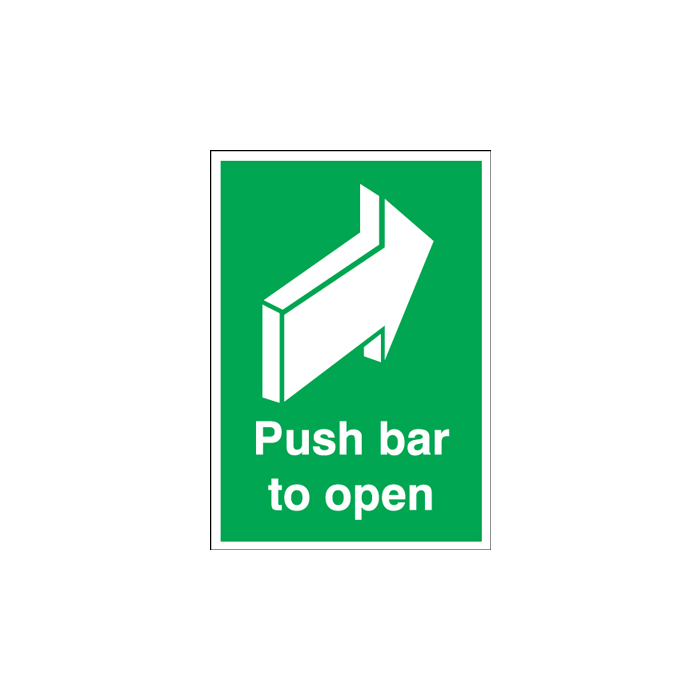
Push Bar To Open Signs are for displaying on fire doors that contain a push bar as the means of opening the door to help provide guidance for people of how to open the fire door and Push Bar To Open Signage conveys the message "Push Bar To Open Sign" which means to show that the bar on the door needs to be pushed to open it.
Push Bar To Open Fire Door Signs
Push Bar To Open Signs are designed to enhance the safety and accessibility of exit doors in your building. These signs clearly indicate the presence of push bars and communicate the proper method of opening the doors during emergency situations. By installing these signs you ensure that occupants can quickly and easily identify the exit doors and operate them correctly facilitating a smooth and efficient evacuation.
The primary benefit of Push Bar To Open Signs is their ability to provide clear guidance and eliminate confusion during emergencies. The signs feature bold text and universally recognised symbols making it easy for individuals to understand how to operate the exit doors. This clarity helps reduce panic and stress allowing people to exit the building quickly and safely.
By prominently displaying Push Bar To Open Signs you comply with safety regulations and building codes. These signs are an essential component of building safety standards, ensuring that exit doors are properly marked and easily identifiable. By meeting these requirements, you create a safer environment for everyone in your facility and minimise liability risks.
Push Bar To Open Signs are made from high-quality materials to ensure durability and longevity. They can withstand various environmental conditions including extreme temperatures and moisture without losing their visibility or functionality. This durability ensures that the signs remain effective in guiding occupants to the proper exit points over an extended period.
Installing Push Bar To Open Signs demonstrates your commitment to safety and emergency preparedness. By proactively providing clear instructions on how to operate exit doors you empower individuals to take immediate action in emergency situations. This promotes a safer and more secure environment for occupants and contributes to a culture of safety within your building.
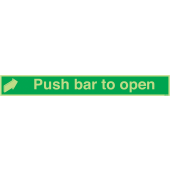
A Push Bar To Open Sign is a door opening message type of door sign which has been designed for use by displaying on fire doors that contain a push bar as the means of opening the door to help provide guidance for people of how to open the fire door and Push Bar To Open Signage conveys the message "Push Bar To Open Sign" which means to show that the bar on the door needs to be pushed to open it and the sign features an arrow which is pointing away from the door user in the push motion. For dimply lit fire exit door areas it is recommended that push bar glow in the dark signs are installed on the exit doors fitted with push bar opening mechanisms.
Push Bar To Open Fire Door Signs Specifications
- View the full range of push bar to open signs
- Another Push Bar To Open you may be interested in is the Push Bar To Open Nite-Glo Signs
- A similar choice of Push Bar To Open sign are the Narrow Push Bar To Open Signs
- Ensures compliance under the latest signs & signals regulations
- Display area Indoor and Outdoor
- Colour - Background Green
- Colour - Text White
- Direction Forwards
- Features - Write On No
- Finish High gloss
- Orientation Portrait
- Photoluminescence Non Photoluminescent
- Shape Rectangle
- Sign/Symbol Forwards Arrow
- Sign Text/Symbol Symbol and Text
- Sign Type Fire
- Supplied in Single
- Text Push bar to open
- Orientation Portrait
- View more choices of push bar to open signs