We use cookies to make your experience better. To comply with the new e-Privacy directive, we need to ask for your consent to set the cookies. Learn more.

Toilet Door Dementia Signs
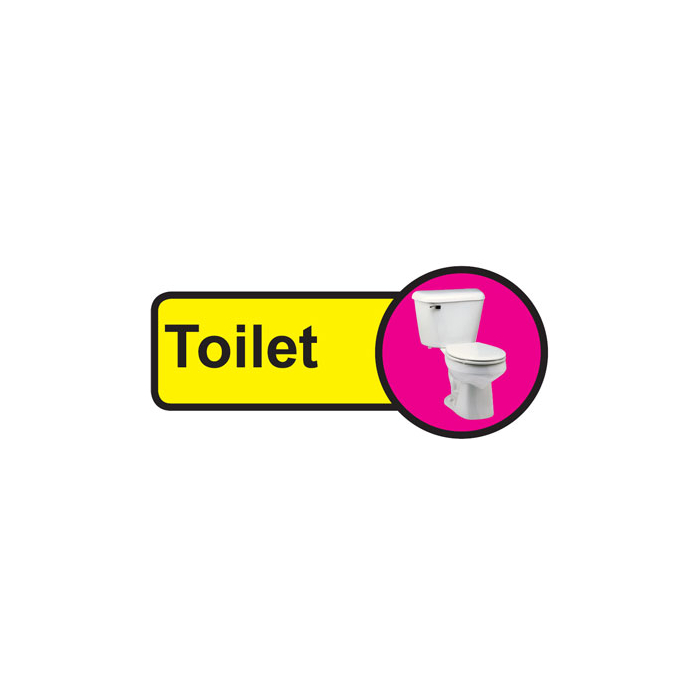
Toilet Door Dementia Signs help you make toilet facilities easier to recognise for people living with dementia or sight difficulties. Used on care home, clinic and assisted living toilet doors, they combine clear wording with a photographic toilet cue to reduce hesitation, urgency-related stress and staff call-outs.
Where Toilet Door Dementia Signs Give the Clearest Help
You should install this sign directly on or beside toilet doors at normal eye level, especially on corridors, bedroom en-suite doors, clinic washrooms and shared care facilities. Clear visibility matters because a delayed toilet decision can increase distress, accidents and repeated requests for help.
Viewing Distance Guidance for Toilet Door Dementia Signs
For dementia support, place signs where they are seen before the person reaches the door. A 210 x 480mm sign suits close corridor decisions, typically around 3–6 metres in good lighting. Use repeated signs if doors are recessed, lighting is poor or several washroom doors sit close together.
| Size option | Practical viewing range | Best use |
|---|---|---|
| H 210 x W 480mm | Approx. 3–6 metres | Toilet doors, care corridors, en-suite doors and healthcare washroom entrances |
What This Toilet Sign Helps Change Day to Day
After fitting, the sign helps you turn a rushed or uncertain toilet search into a quicker visual decision. That supports dignity, reduces avoidable anxiety and helps staff spend less time redirecting people who need the toilet urgently.
Specifications
- Sign message: “Toilet”
- Purpose: Identifies toilet facilities
- Sign type: Information
- User: People with dementia
- User support: Sight difficulties
- Where to use: Indoor care settings
- Environment: Healthcare interiors
- Display area: Indoors
- Material: Rigid polypropylene
- Material thickness: 1.2mm
- Size: H 210 x W 480mm
- Orientation: Landscape
- Shape: Rectangle
- Finish: Satin
- Background colour: Yellow
- Text colour: Black
- Symbol: Photographic toilet image
- Pictogram: Toilet photograph
- Symbol colour: Photographic
- Non-photoluminescent
- Non-reflective
- Fitting: Door or wall mounted
- Fixing: Self-adhesive backing
- EN ISO 7010 code: Not applicable to this information sign
Practical Fitting Guidance for Toilet Door Recognition
❌ Placing the sign too high for seated or shorter users
❌ Fitting it on a cluttered door with competing graphics
❌ Mounting it where open doors hide the message
❌ Long corridors where the toilet door is not visible
❌ Poorly lit areas where colour contrast is weakened
❌ Facilities needing statutory safety or fire escape signage
✅ Position near eye level on the approach side of the door
✅ Keep toilet signs consistent across all similar rooms
✅ Pair with good lighting and uncluttered door finishes
Toilet Door Dementia Signs questions answered
What are Toilet Door Dementia Signs used for? They help people living with dementia, sight difficulties or reduced confidence recognise toilet facilities more quickly in care and healthcare environments.
Why does the sign use a toilet photo as well as text? Some people may struggle to process words quickly. A familiar image gives an extra visual clue, helping the person understand the door’s purpose sooner.
Where should you fit this toilet dementia sign? Fit it on the toilet door or immediately beside the handle side, where it is clearly visible before the person reaches the doorway.
Is this sign suitable for outdoor toilets? No. This version is designed for indoor use, such as care homes, clinics, assisted living settings and internal washroom corridors.
Does this sign have an EN ISO 7010 safety code? No. It is an information sign with a photographic toilet cue, not an EN ISO 7010 safety symbol sign.
Toilet Door Dementia Signs Features and Benefits
- ✓ Clear “Toilet” wording with a familiar photographic cue
- ✓ High-contrast yellow and black design for easier recognition
- ✓ Satin rigid polypropylene face for indoor care environments
- ✓ Self-adhesive backing for quick door or wall fitting
- ✓ Helps people identify toilet doors without needing to ask
- ✓ Supports dignity when toilet visits feel urgent or stressful
- ✓ Reduces confusion where several doors look similar
- ✓ Gives staff a simple visual cue to reinforce daily routines
Related dementia signs for clearer daily routines
For back-of-house practical rooms, pair this with laundry room dementia door signs where staff and residents need a clear room cue. Useful for care corridors, service areas and supervised household tasks.
Where people move from bedrooms to shared meals, consider dining room door signs for dementia care to make mealtime destinations easier to recognise. Helpful in residential care, nursing homes and supported living layouts.
For personal wellbeing spaces, add dementia hairdresser room signs where a salon or grooming room should feel easy to identify. Good for activity suites, therapy areas and familiar care routines.
To keep every doorway consistent, review dementia signs for care home doors before selecting single rooms. This makes it easier to plan a joined-up sign layout across your site.
Estimated Delivery Day
Current date and time:
Estimated delivery by:
Based on an estimated 3 working day delivery timeframe from today, excluding weekends and bank holidays. Delivery dates are provided as a guide only and may vary depending on the product ordered, stock availability at the time of purchase, production or printing lead times.