We use cookies to make your experience better. To comply with the new e-Privacy directive, we need to ask for your consent to set the cookies. Learn more.

Do Not Operate Signs
£3.99
In stock
SKU
PR005G*
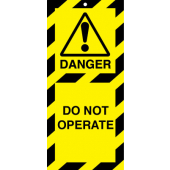
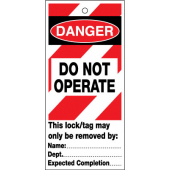
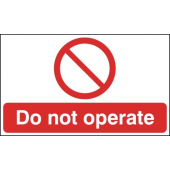
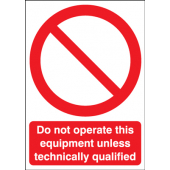
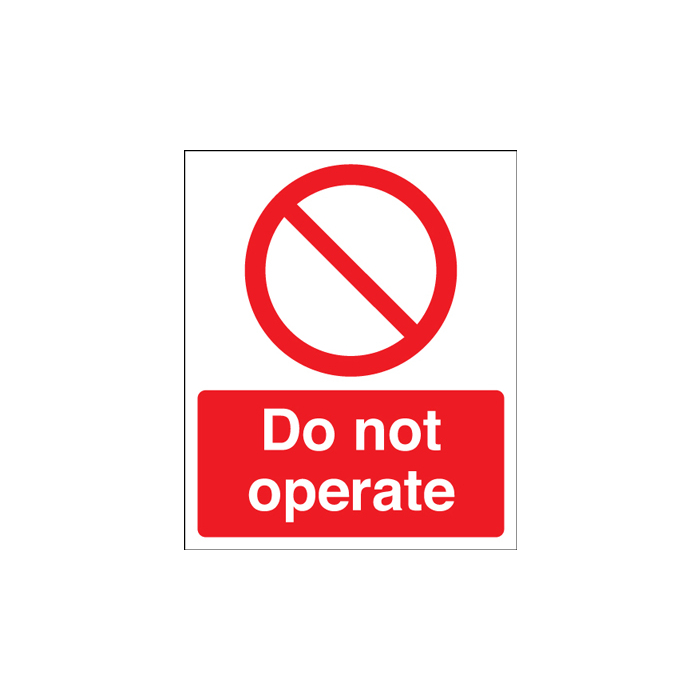
Do Not Operate Signs are used for being displayed and seen around areas where it is necessary to stop others from operating any machinery or equipment and Do Not Operate Signage conveys the message "Do not operate" which clearly means it is prohibited for anyone to operate the equipment or machinery.
Do Not Operate Signs
Do Not Operate Signs are designed to ensure safety and prevent unauthorised use of equipment or machinery. These signs feature a clear and recognisable message that communicates the importance of refraining from operating the designated equipment.
The primary benefit of Do Not Operate Signs is their ability to prevent accidents and injuries by clearly indicating that the equipment should not be used. Whether it's a malfunctioning machine, equipment under maintenance or any situation where operation is prohibited these signs serve as a visual reminder for individuals to refrain from operating the equipment.
Our signs are made from high-quality materials that are durable and weather-resistant ensuring their longevity and visibility. They are suitable for both indoor and outdoor use making them versatile and adaptable to various environments. The bright colours and bold lettering make these signs easily noticeable effectively conveying the message of do not operate.
By displaying Do Not Operate Signs you can effectively communicate the importance of safety protocols and prevent accidents caused by unauthorised use of equipment. These signs serve as a proactive measure to mitigate risks and maintain a safe work environment in factories, construction sites, warehouses and any location where operating specific equipment is restricted.
A Do Not Operate Sign is a prohibition message type of machinery sign which is used for being displayed and seen around areas where it is necessary to stop others from operating any machinery or equipment and Do Not Operate Signage conveys the message "Do not operate" which means it is prohibited for anyone to operate the equipment or machinery. Where equipment and machinery is not to be used because they are out of order displaying do not use out of order signs will stop people from trying to operate the out of order equipment or machinery and do not switch on signs can be displayed to stop others from switching on machinery or equipment which may be out of order.
Do Not Operate Signs Specifications
- View our complete range of prohibition do not operate signs
- View the full range of machinery prohibition signs
- Display area Indoor and Outdoor
- Colour - Background Red
- Colour - Text White
- Features - Write On No
- Finish High gloss
- Orientation Portrait
- Photoluminescence Non Photoluminescent
- Shape Rectangle
- Sign/Symbol General Prohibition
- Sign Text/Symbol Symbol and Text
- Sign Type Prohibition
- Supplied in Single
- Text Do Not Operate
- Orientation Portrait
- As you are looking to buy signage for machinery you may also be interested in the Men Working Do Not Touch Signs
- A similar choice of signage for machinery are the Do Not Switch On Signs 6 Pack
- View more choices of do not operate signs